


Trusted by 1M+ creators
Infographic Poster
Make an infographic poster for a classroom wall, a clinic, a trade-show stand, or a feed. Pick a template, edit the prompt, and hit generate
No credit card required

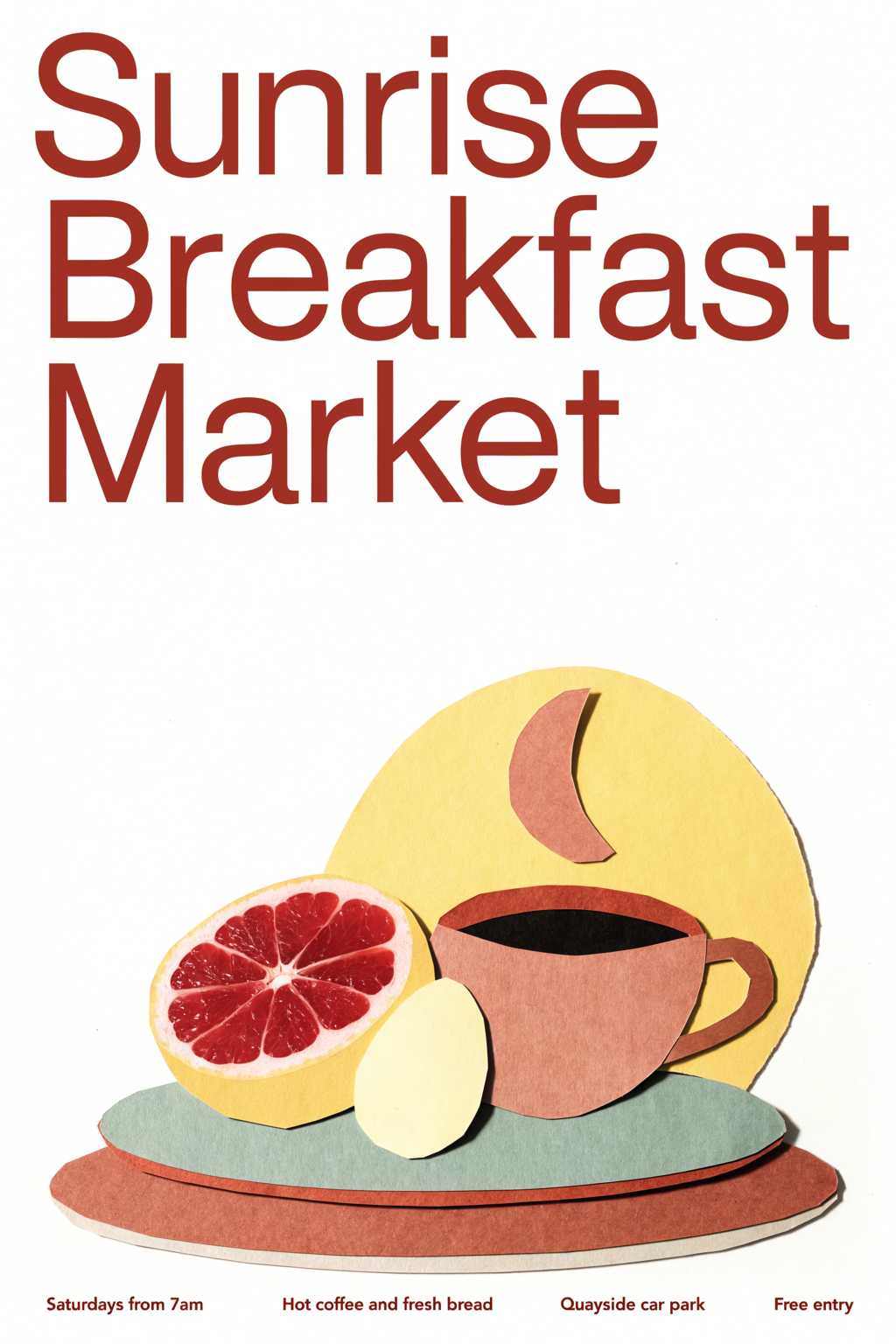
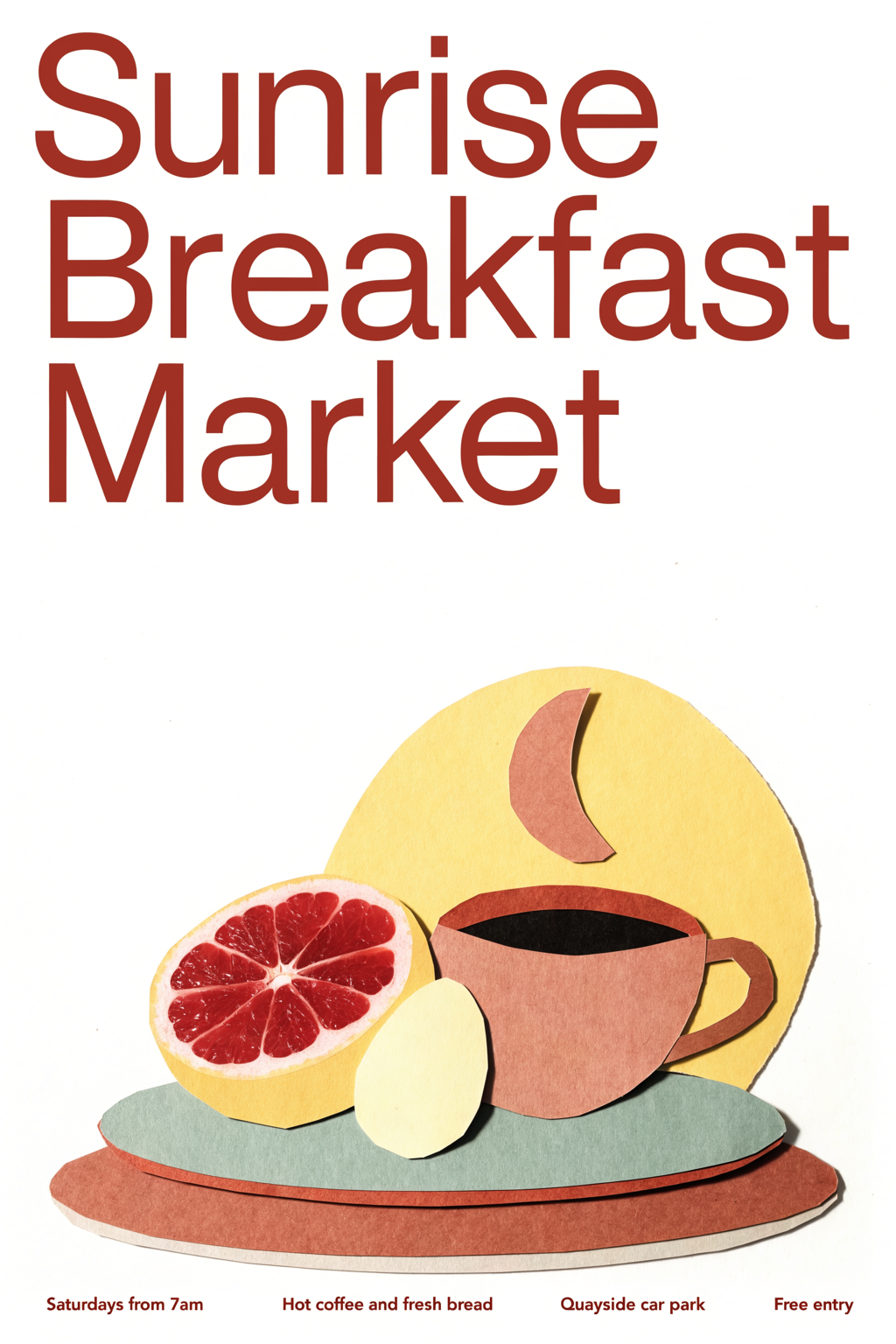
Terracotta Cream Cut Paper Breakfast Poster Design
Posters
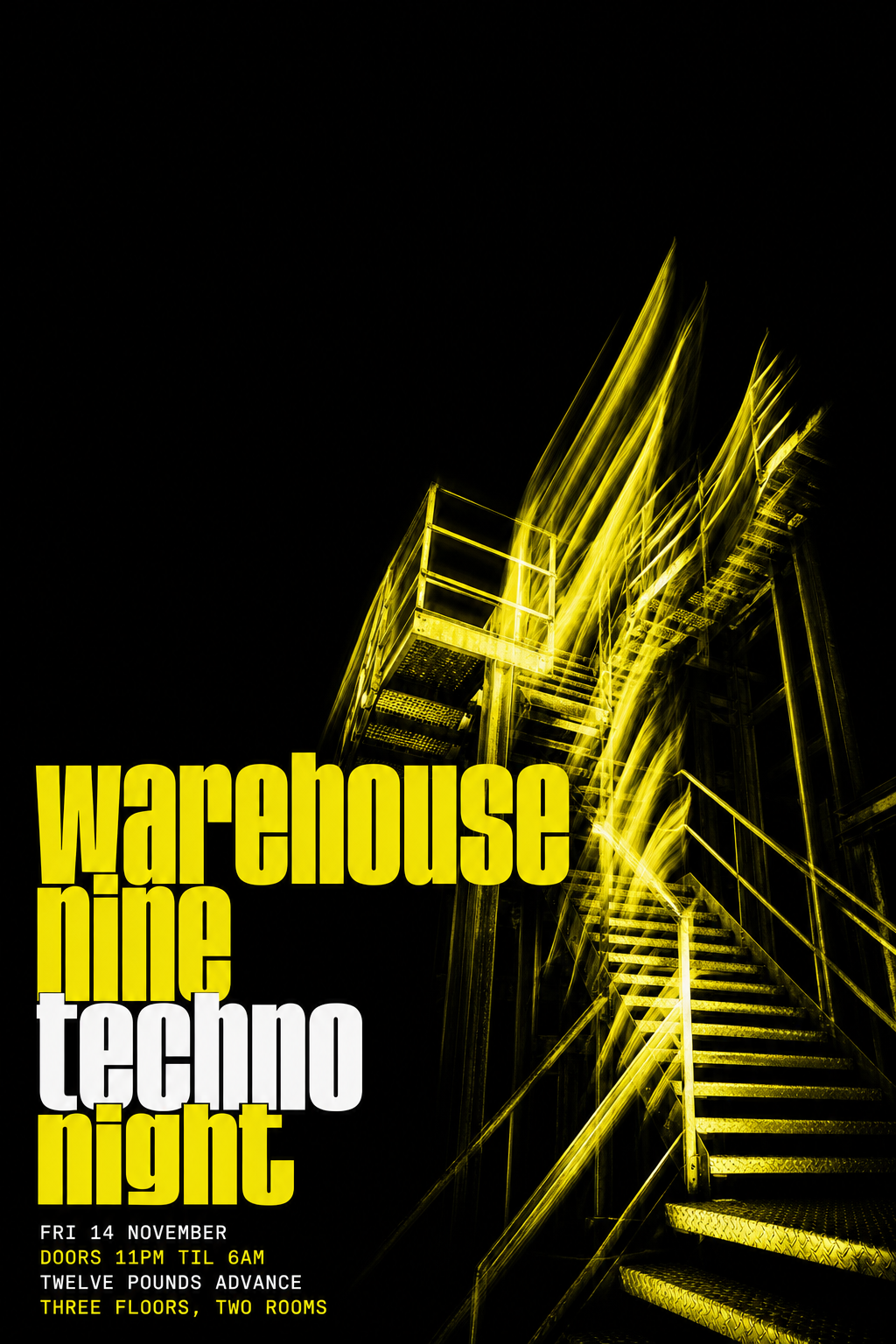
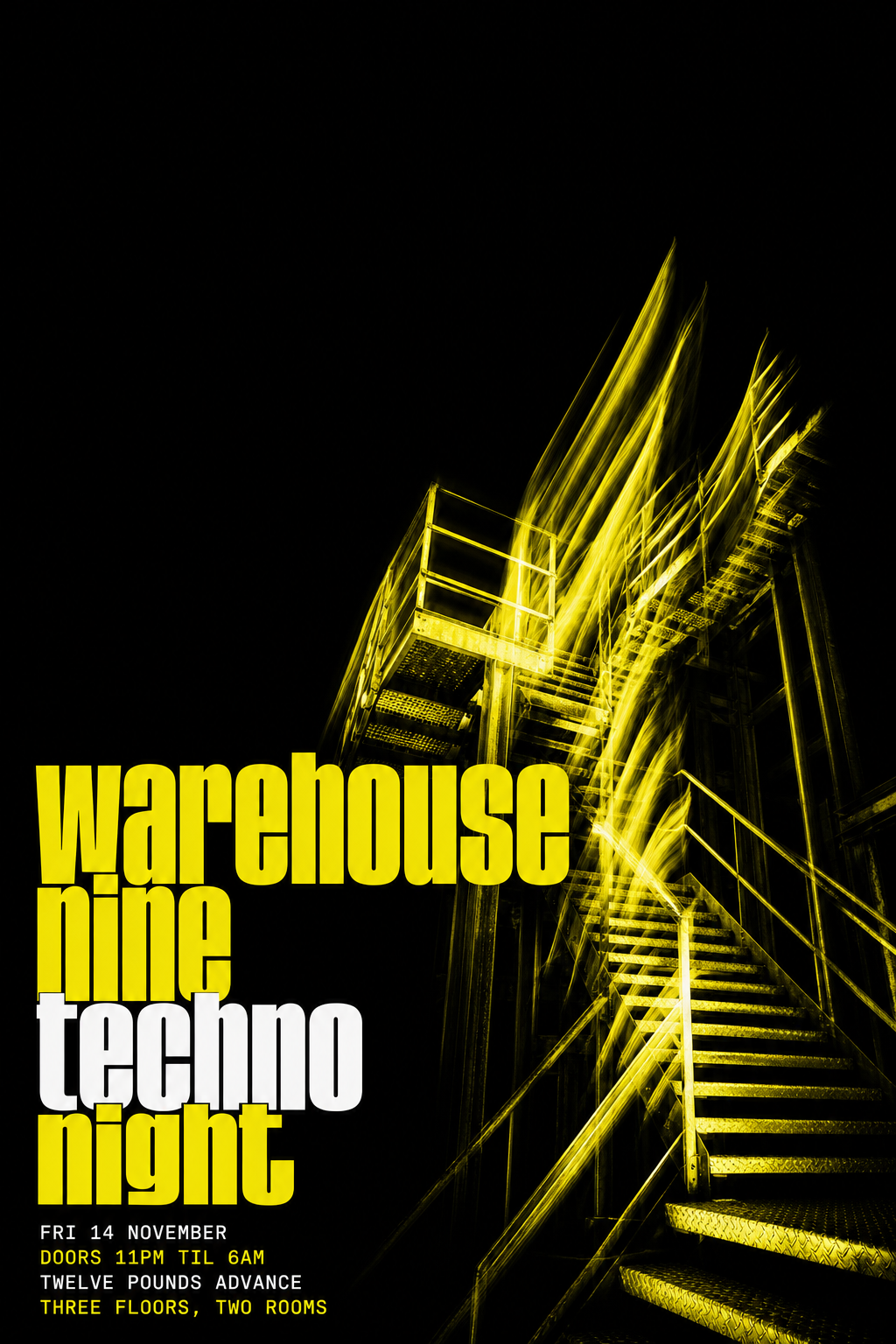
Black and Acid Yellow Techno Club Poster
Posters
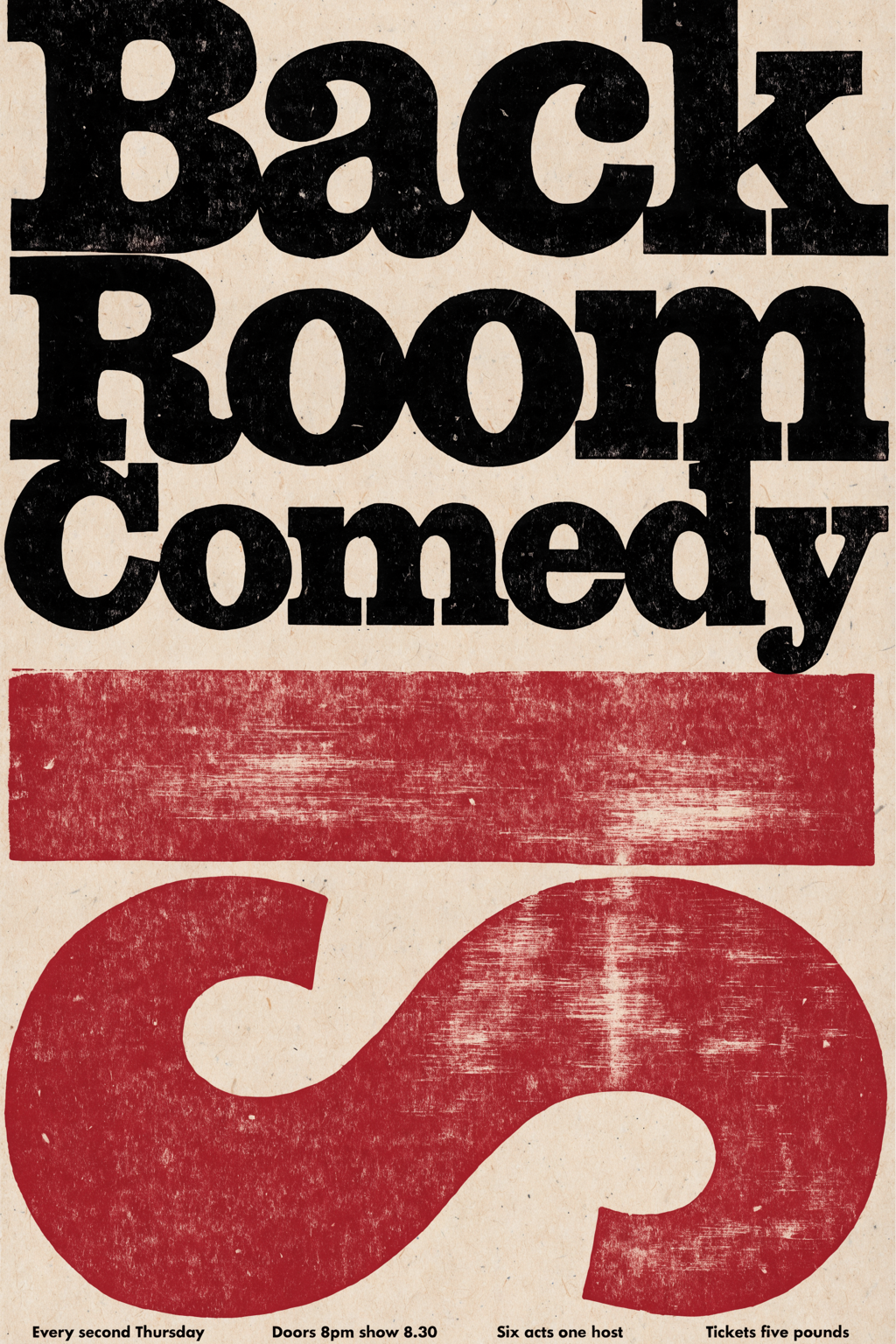
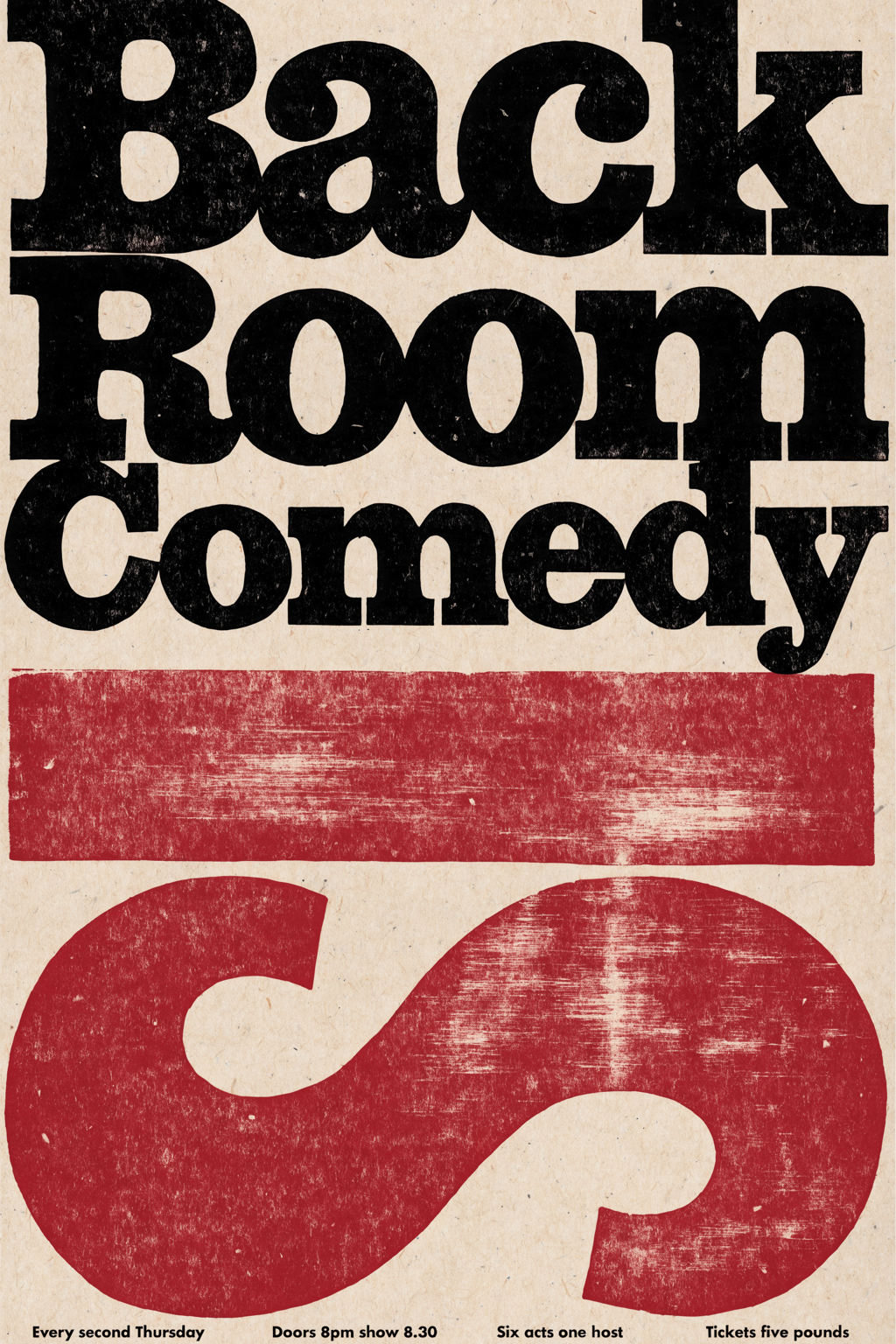
Oxblood Black Letterpress Comedy Night Poster
Posters
4.6
2,100+ reviews















An infographic poster that explains it in one look
An infographic poster turns one topic into a single tall sheet: a clear title, a few short sections, and visuals that carry the point. Most poster makers hand you an empty canvas and a sidebar full of fonts, or a template thousands of others have already used. A template that opens with a prompt written for an infographic poster starts you most of the way there. You change the title, the section headings, the colors, and the style, then generate.
Teachers, students, health educators, and small teams make these for a lesson, a project, a waiting room, or a booth. Keep the title short, give each section one idea, and leave body text brief. Need a different layout? Browse other infographic formats.
How to make an infographic poster:
Step 01
Choose a poster template
Browse poster templates and pick the design closest to what you need, from gig posters to seasonal sale posters. Each template opens with a prompt already written for that design.
Step 02
Edit the prompt and generate
Change the headline, date, venue, colors, and style in the prompt. Put the exact words you want on the poster in quotation marks, and add the shape you need: 2:3 for a 24 × 36 print, 4:5 for an Instagram post, or 9:16 for Stories. Hit "generate."
Step 03
Download your poster
Download your poster. To fix a single word or remove a distracting detail first, open it in the AI image editor.
Learn More
Check out Nano Banana Pro and try it on VEED:
One infographic poster for the wall and the feed
A science fair board or clinic handout needs a tall print shape, and the same topic often goes online too. Ask for 2:3 or 3:4 for the wall, then generate again at 4:5 for an infographic for the Instagram feed. Each version is composed for its shape, so the title never gets cropped.
Section headings that read from a few steps back
Put the title and section headings in the prompt, like "5 WAYS TO SAVE WATER" in bold sans-serif with a blue and green palette. If a result is close but crowded, re-prompt for fewer words and bigger type. Switch to Qwen for text-heavy layouts, Nano Banana Pro for high-fidelity visuals, or Flux Kontext for fast tries.
From a still infographic to a moving explainer
This page makes still posters. To show your facts in motion, turn the design into a short clip with image to video AI, or build an animated infographic that walks through each section for a lesson or a presentation.
FAQ
An infographic poster is a single large sheet that explains a topic with a title, short sections, and visuals instead of long paragraphs. People use them in classrooms, clinics, offices, and trade shows. VEED lets you start from a poster template that opens with a prompt, edit the title and sections, add the ratio you need, generate, and download.
Image models render long text unreliably, so keep the words short. Put the exact title in quotation marks, keep it to about eight words or fewer, and list each section heading on its own line. Use Qwen for text-heavy posters, check the spelling before you download, and fix a single wrong word in the AI image editor instead of regenerating.
Yes, if the picture has to stay in the poster. Photos, logos, and product shots go through the AI image editor: upload the picture and describe the poster around it. The templates generate new designs, so the editor is the route when a real photo of your lab, clinic, or product matters.
Common print sizes are 11 × 17, 18 × 24, and 24 × 36 inches. 24 × 36 is a 2:3 ratio and 18 × 24 is 3:4, so ask for the ratio that matches your print. For the feed, use 4:5, which is 1080 × 1350. Before printing large, upscale the file with the image upscaler.
A good infographic poster has a bold title at the top, three to six sections with short headings, and icons, charts, or illustrations beside each point. Popular topics include:
- Climate change: a title, a few causes, and one clear call to action.
- A healthy habit: steps with icons and a short tip.
- A history timeline: dates in order down the sheet.
Most AI image tools run on credits, and VEED's poster maker is no different. It runs on AI credits, and you can sign up without a credit card. The cost depends on the AI model you pick and how many images you generate, and it shows when you browse the model selection. See pricing for current plans and credit add-ons, or start from a blank prompt.
Loved by creators.
Loved by the Fortune 500
“
With VEED I didn't need 15 tutorials - I jumped straight in and started editing.

Gwenne Wilcox
Founder,
Brand Brainery
“
You can go beyond choppping things. VEED actually makes my videos look great.

Michael Glover
Demand Gen Manager,
ConvertFlow
“
The first four videos i created with VEED got over 40,000 impressions on LinkedIn.

Travis Tyler
Senior Content Producer,
PandaDoc
“
I found VEED at the right time: if you're making UGC ads and not using Eye Contact Correction and Noise Reduction on VEED you're missing out on ROI.

Sebastian Schurgers
Head of Growth Marketing,
Gronda
“
With VEED I didn't need 15 tutorials - I jumped straight in and started editing.
Gwenne Wilcox
Founder,
Brand Brainery
“
You can go beyond choppping things. VEED actually makes my videos look great.
Michael Glover
Demand Gen Manager,
ConvertFlow
“
The first four videos i created with VEED got over 40,000 impressions on LinkedIn.
Travis Tyler
Senior Content Producer,
PandaDoc
“
I found VEED at the right time: if you're making UGC ads and not using Eye Contact Correction and Noise Reduction on VEED you're missing out on ROI.
Sebastian Schurgers
Head of Growth Marketing,
Gronda
“
The first four videos i created with VEED got over 40,000 impressions on LinkedIn.
Travis Tyler
Senior Content Producer,
PandaDoc
“
I found VEED at the right time: if you're making UGC ads and not using Eye Contact Correction and Noise Reduction on VEED you're missing out on ROI.
Sebastian Schurgers
Head of Growth Marketing,
Gronda
“
With VEED I didn't need 15 tutorials - I jumped straight in and started editing.
Gwenne Wilcox
Founder,
Brand Brainery
“
You can go beyond choppping things. VEED actually makes my videos look great.
Michael Glover
Demand Gen Manager,
ConvertFlow
Discover more
Explore related tools
More from VEED

This is the Best YouTube Banner Size (and Examples of Great Channel Art)
Here's the best size for your YouTube banner and everything you need to know to make eye-catching channel art.

AI Art Prompts: How to Write Better Prompts, Creative Examples, and Tools to Try
Getting your AI art prompts is the key to winning with generative AI tools. Learn how to write better prompts here.

Branded Video 101: What is it and How to Get Started
A branded video is a marketing asset that uses storytelling to engage an audience and build brand awareness. Learn more in this guide.
Trusted by 1M+ creators
When it comes to amazing videos, all you need is VEED
No credit card required
More than an infographic poster maker
An infographic poster is usually one piece of something bigger: a lesson, a health campaign, a conference session, or a product launch. VEED is an AI video creation platform, so the same topic can become a short explainer video that walks through each section for people who never saw the poster. Generate a scene from a written prompt or a script in the AI video generator, add an AI avatar or a voiceover to narrate the points, and refine the cut until the pacing holds. Keep fonts, colors, and your logo consistent so the poster and the video look like your brand made them, not AI, then export a post-ready video for TikTok, Reels, and YouTube.