Why Everyone’s Talking About Veo 4


If you've been watching the AI video generation scene, you've likely caught whispers of Google Veo 4. Built by Google DeepMind, the Veo family has already shaken up what's possible in text-to-video, and creators everywhere are asking: when is Veo 4 coming out?
At VEED, we're also excited because this next leap could reshape how you generate videos from text. Before the Veo 4 launch date arrives, let's take stock of what we know, what we expect, and how you can get ready.

What is Veo? A quick recap
At its core, Veo is a generative AI model that creates video from text (and in some versions, image) prompts.
History of Veo from v1 to v3
- Veo 1: Introduced in May 2024 at Google I/O. It’s the first major release of the family
- Veo 2: Announced December 2024; offered better realism, more cinematic control, and even 4K in some tests
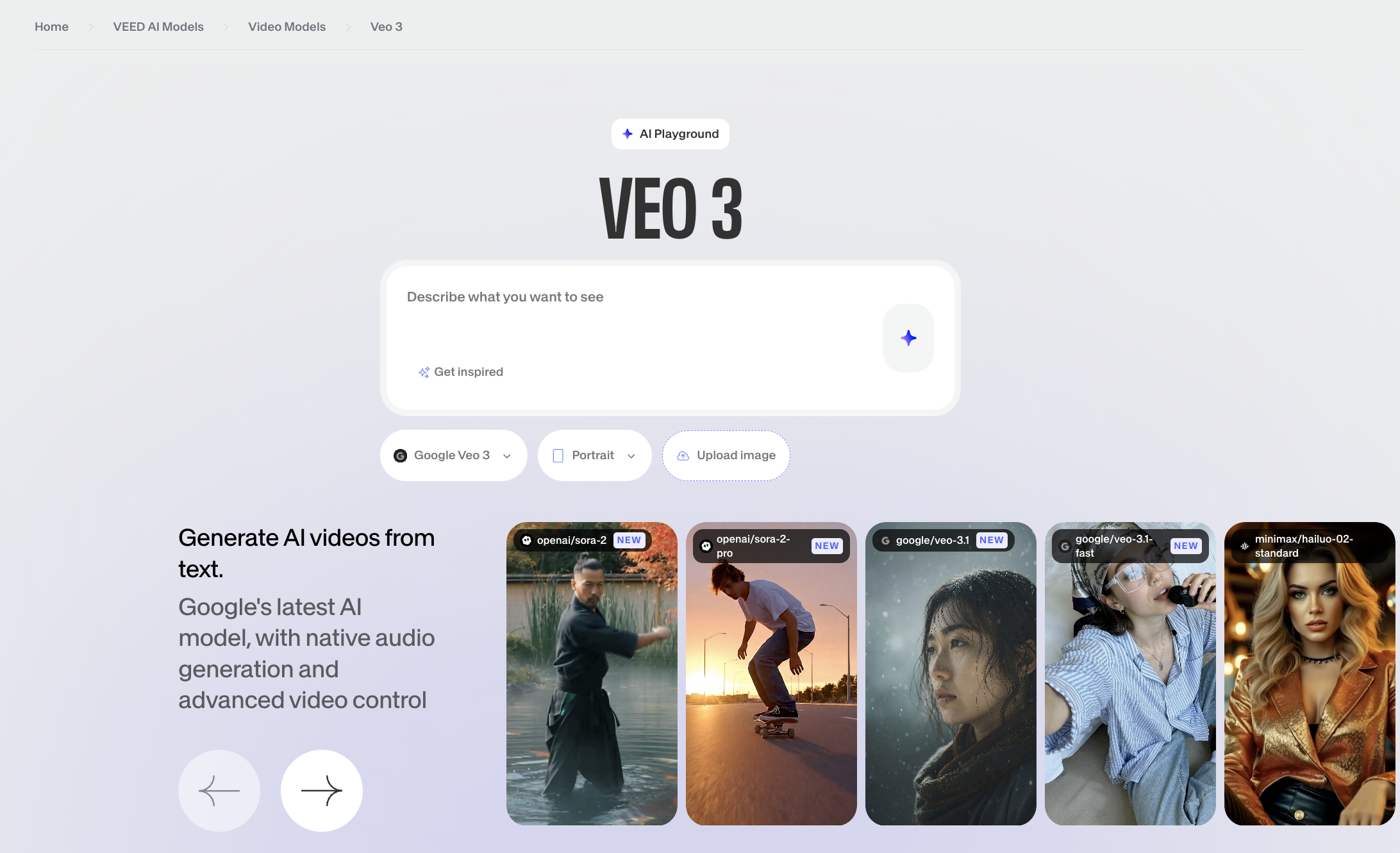
- Veo 3: Released May 2025. The big jump? Native audio generation: dialogue, ambient sound + visuals in one cohesive output
Who it's for: From creative professionals to social-media creators
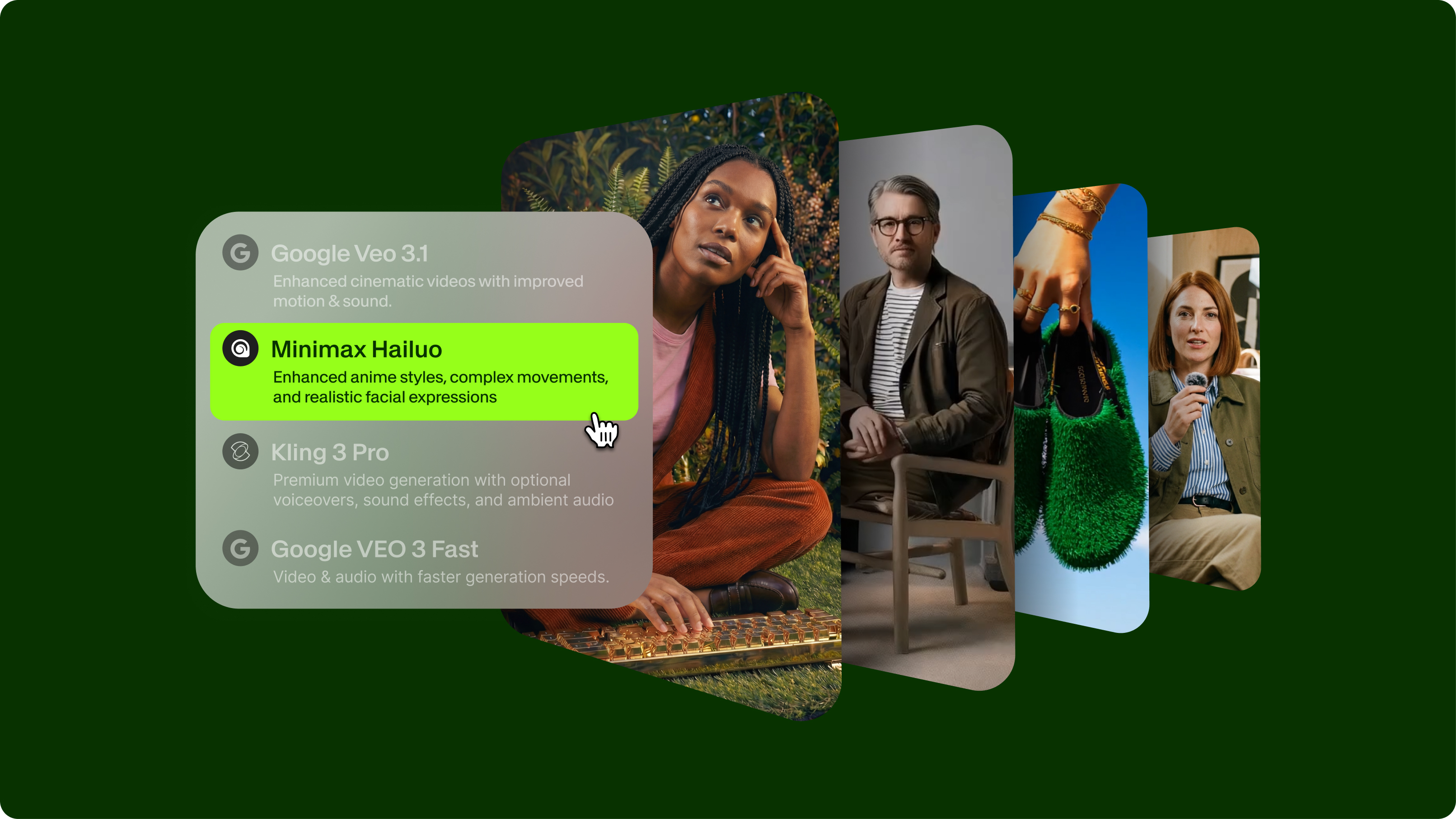
The Google Veo 4 AI video generator is surely for all: freelance filmmakers, social creators, marketing teams, and big studios. VEED users can especially benefit by integrating these emerging models into their workflows early — try the current lineup on VEED's AI models page.
How it compares with Sora and Runway
In community chatter, Veo is often mentioned alongside competitors like Sora (by OpenAI) and tools from Runway. Some Reddit users have expressed concerns, saying, "Clearly still lagging Sora. Google's too big to be nimble..." However, others note that Veo's strength lies in its potential to catch up with Google's massive compute and data assets. The key is that no model is perfect, and each has its trade-offs.
Recent discussions in the AI industry suggest that competition is intensifying, with users on platforms like Reddit debating whether Google can keep pace with OpenAI's rapid releases.
Veo 3: breakthroughs and limitations
Breakthroughs
Audio + video together: Veo 3 became the first AI video model to generate synchronized audio alongside video, including dialogue, sound effects, and ambient noise. This was a breakthrough announced at Google I/O 2025.
Prompt fidelity and cinematic control: According to Google, Veo understands camera instructions, scenes, and motion more deeply than before. Users can specify techniques like "dolly zoom" or "tracking shot" and see them appropriately executed.
Two modes: The "Fast" version (Veo 3 Fast) provides a quicker, cost-efficient route for prototypes and social branded content. The standard version delivers maximum quality for professional use cases.
Limitations
Duration cap: Currently, many demos mention clips around 8 seconds in length before inconsistencies begin to appear. Reddit users have discussed the challenges of creating longer content, noting that while a whole 60-minute AI-generated film using 8-second clips is technically possible with enough editing, it requires a significant amount of time and budget.
Scene consistency: While leaps have been made, character continuity remains a challenge, with users noting that actors' appearances can change across clips, which limits cohesive storytelling.
Edit-in-progress workflows: Generating a clip is one thing; refining it, editing shot by shot, and real-time tweaking still isn't seamless — though you can do post-generation editing with VEED's video editor.
Fast vs Standard Versions: Trade-off between quality and speed
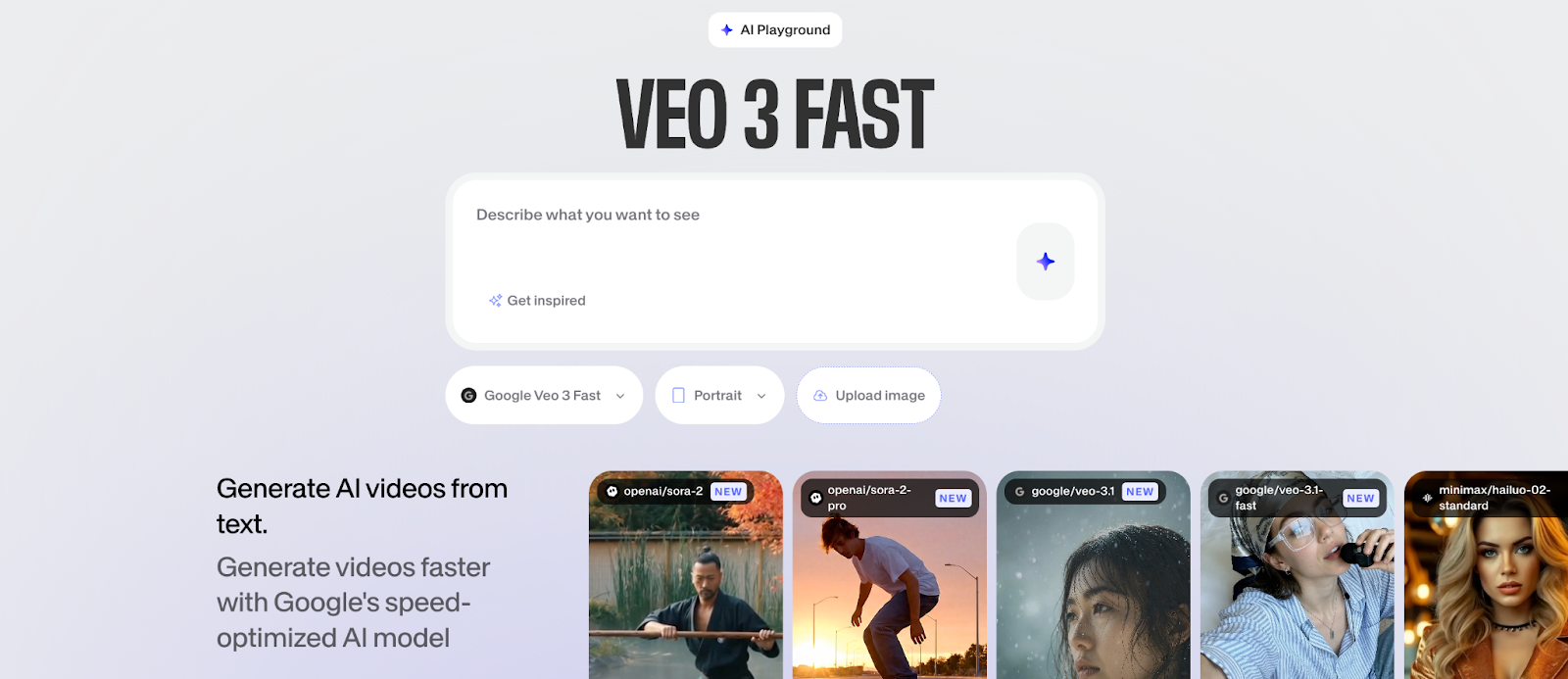
Veo 3 "Fast" offers quicker turnaround and lower cost, but with some compromises on detail. Suitable for social media or prototyping, the standard/full version remains the best choice for high-quality cinematic use cases.
In short, Veo 3 is a significant step forward, but it's not yet the "set-it-and-forget" future of AI video. That's where Google Veo 4 may come in.
Release date: What we know (and don't)
Analysis of previous release patterns (Veo 1–3)
- Veo 1: May 2024
- Veo 2: December 2024 (7 months later)
- Veo 3: May 2025 (5 months later)
From these patterns, one might infer a 5- to 7-month cadence for "major" versions.
When will Veo 4 release? Potential dates
December 2025 emerges as the most likely release date for Veo 4, based on historical release patterns. December 2025 appears to be the most realistic prediction, as it gives Google enough time to make a significant leap in development to compete with whatever OpenAI releases next.
Alternatively, if Google opts for their major developer conference, then May 2026 (at Google I/O) is another possibility.
Industry rumors suggest that Google Veo 4 is currently in internal testing with a December launch target, with some sources claiming it will be "far above Sora 2 level".
Why Google may not wait: Competitive pressure from Sora 2
As competitors advance rapidly, Google may feel pressure to accelerate. Tech community discussions indicate speculation that Google may not want to lose its edge over competitors, especially after NVIDIA's recent advancements in AI video consistency.
Bottom line: No official date has been set yet. But December 2025 or May 2026 are strong bets for the Veo 4 launch date.
Google Veo 4 features: Expected upgrades
Here are the educated guesses (not officially confirmed) for what the Veo 4 AI video generator might bring:
a. Longer videos (15–30 seconds or more)
One of the most significant limitations today is short clip length. Veo 4 will likely increase video duration from 8 seconds to 15-30 seconds or more, matching or exceeding Sora 2's capabilities, as NVIDIA has already demonstrated consistent 1-minute videos.
b. Personalized avatars and voice cloning
Veo 4 might let users upload their photos and voice to create personalized videos, similar to Sora 2, with consistent character appearances throughout videos and voice cloning that syncs with avatar mouth movements.
If you're a creator, being able to generate a talking avatar of yourself inside the video would be a game-changer.
c. Improved scene and frame consistency
Veo 4 is expected to have better object permanence, smoother transitions between shots, and characters that remain visually coherent throughout entire sequences. This will solve Veo’s persistent challenge of maintaining visual consistency.
d. Revolutionary multi-angle scene generation
Rather than a single static shot, imagine the model providing you with multiple camera angles automatically. Veo 4 might generate the same scene from multiple camera angles simultaneously: front, side, above, and behind, working like having five cameras filming the same action.
This would be groundbreaking because Google's competitors have not yet cracked this. If delivered, this feature could leap ahead of every other video AI on the market.
e. Advanced prompt interpretation and camera control
Veo 4 could potentially nail every instruction given, understanding nuanced cinematography requests. More fine-grained control might allow you to specify: "Use 35mm lens, track from left to right, slow-motion at the end," which gives creators the cinematic lexicon they've been wanting.
f. Interactive editing functionality
This could be the game-changer everyone's waiting for. Current models force you to start over if you don't like one detail, a costly and time-consuming process. But rumours suggest that Veo 4 might introduce real-time video editing while generation is in progress, allowing you to modify elements on the fly rather than scrapping entire clips.
This "edit in the loop" functionality would transform how we work with AI videos, while dramatically reducing costs. Since these generations can be expensive and currently rely on trial and error, the fewer attempts needed to achieve your desired result, the better for your budget and timeline.
What would make Veo 4 unbeatable?
Here are features creators wish they'd see; if Veo 4 doesn’t include them, other tools might outpace it.
- Collaborative workflows: real‑time co‑editing or sharing prompts/projects with team members.
- Style and genre presets: Easy templates like “cinematic trailer”, “documentary”, “anime”, so non‑pros can hit the ground running.
- Voice‑to‑video prompts: Instead of typing text, speak your prompt and get the video.
- Cloud storage + project management tools: A place to keep versions, collaborate, iterate.
At VEED, this kind of usability matters because it's not just about “can it generate?” but “can I integrate this into my workflow easily?”
Where you’ll access Veo 4
Here’s how access might roll out:
- Google VideoFX (primary hub for Google’s video‑gen tools)
- Overchat AI (third‑party platform that may offer flexible pricing and faster turnaround)
- AI Test Kitchen (early access/beta for developers)
- Potential integration into Google Workspace or enterprise tier (likely behind paywall)
- VEED (features multiple AI video models and will likely add Veo 4 access, allowing you to generate and edit videos all in one platform)
How much will Veo 4 cost? Google Veo 4 price predictions
Predictions based on Veo 3 pricing models
From recent releases: Veo 3 Fast pricing was around $0.40/second with audio (for text→video) in developer preview. The Google AI Ultra plan, which includes Veo 3 access, costs $249.99/month (though first-time users receive 50% off for the first three months).
Users have debated the costs on Reddit, noting that Veo 3's $125–$250/month pricing, plus approximately $3 per generation, can add up quickly for independent creators.
Impact of longer video durations on compute cost
Longer videos require larger compute resources, resulting in higher costs per clip unless optimized. The Google Veo 4 price will likely reflect these increased computational demands.
Price wars with OpenAI and Runway: Will Veo undercut Sora?
If competitors offer strong alternatives at a lower cost, Google may price aggressively. Community discussions suggest that cost remains a significant barrier for indie creators, making the pricing strategy critical.
Final thoughts: Veo 4 is coming! Are you ready?
The Veo 4 AI video generator may mark the next major leap in AI-video creation, potentially arriving as early as December 2025. While no official Google Veo 4 release date has been announced, the competitive pressure and release patterns suggest we won't be waiting long.
Key takeaways from what we've covered:
- Expected features: 15-30 second videos, multi-angle generation, real-time editing capabilities, personalized avatars with voice cloning, and advanced camera controls
- Anticipated pricing: Based on Veo 3 ($0.40/second plus subscription fees), expect higher costs for longer clips and premium features
- Access points: Likely through Google VideoFX, Overchat AI, AI Test Kitchen, and enterprise platforms
FAQ
No official date yet. Based on past versions and industry rumors, December 2025 is the most realistic prediction, though May 2026 (Google I/O) is also possible. These remain educated guesses until Google makes an official announcement.
That's one of the most anticipated upgrades. Based on community feedback and technological trends (NVIDIA has already demonstrated consistent 1-minute videos), yes, 15- to 30-second clips or longer are expected. However, this has not been officially confirmed yet.
Probably, if the feature set evolves as expected. Industry analysis suggests that this capability is likely, but we don't have confirmation yet. Therefore, plan for the potential, but don't rely on it entirely until official features are announced.
"Better" depends on your use case. Veo currently has strong audio/video integration; Sora may excel elsewhere. Industry rumors suggest Veo 4 could surpass Sora 2 in specific capabilities. When Veo 4 arrives, expect closer competition; however, you'll want to test both in your specific context.
We don't know the exact Google Veo 4 price yet. Based on Veo 3 pricing (~$0.40/second for some modes, plus $249.99/month for Google AI Ultra), longer videos will likely incur higher costs. As a creator, build a budget with flexibility and expect potential premium pricing for advanced features.
You can explore tools like Sora, Runway's video-model offerings, or prototype with Veo 3/3 Fast.