How to Translate Subtitles in 2026: The Complete Guide

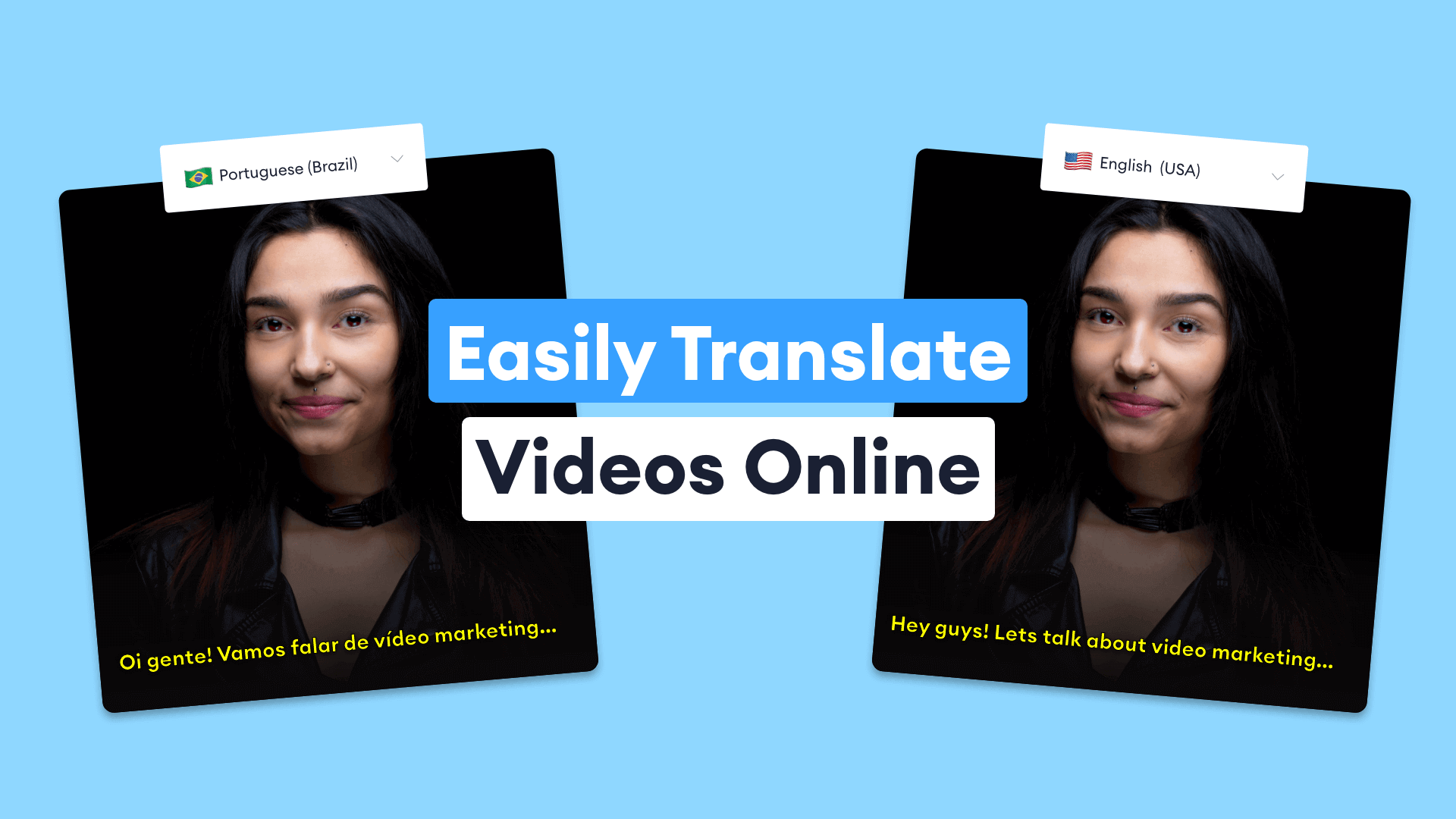
If you're trying to watch a foreign film in English, prep a Japanese tutorial for an English-speaking audience, or push an English movie out to Arabic viewers, the bottleneck is almost always the same: getting accurate subtitles in the language you actually need. Manual translation is slow, Google Translate gets the wording wrong on idioms and slang, and most subtitle tools force you to bounce between three or four apps to finish the job.
AI subtitle translation has changed that. Modern tools can transcribe spoken audio, translate it into 125+ languages, and let you edit and re-style the output in one place. The results are accurate enough for distribution, fast enough for daily content workflows, and flexible enough to handle everything from a 30-second TikTok to a full-length film.
This guide walks through how to translate subtitles in any language, including the trickier cases: Japanese to English, English to Arabic, Netflix content that's missing your language, and videos that don't have any subtitles to start with. You'll also see when to use AI over Google Translate, how to keep an SRT file's timing intact, and how to burn translated subtitles permanently into a video.
Key takeaways
- AI subtitle translators handle 125+ languages and read spoken audio directly, so you don't need an existing SRT file to start
- The fastest workflow is upload video, auto-generate subtitles, click translate, and download, typically under five minutes for a short clip
- For videos without existing subtitles, AI tools transcribe the audio first, then translate the transcript in the same workflow
- Japanese to English and English to Arabic are the two most common foreign language pairs people search for, and both work natively in VEED's subtitle translator
- You can download translated subtitles as SRT, VTT, or TXT files, or burn them permanently into the video for redistribution
How to translate subtitles online in 5 steps
Translating subtitles in 2026 takes a few clicks if you have the right tool. Here's the fastest path from raw video to translated, post-ready subtitles using VEED's subtitle translator.
1. Upload your video, audio, or SRT file

Open the editor and upload whatever you have. VEED accepts video files (MP4, MOV, MKV), audio files (MP3, WAV, M4A), and existing subtitle files (SRT, VTT). You can also paste a YouTube link, record from your webcam, or pull from Dropbox.
If you don't have a subtitle file yet — say you've got a raw clip from your phone or a foreign film without any subs — upload the video itself. VEED will transcribe the audio and create a subtitle track from scratch.
2. Auto-generate subtitles in the original language

Click Subtitles in the left toolbar, then Auto Subtitle. Select the language being spoken in the video, and importantly, the regional accent. American English transcribes differently from Australian English, and Brazilian Portuguese isn't the same as European Portuguese. Picking the wrong region drops accuracy fast.
The transcription runs in seconds for shorter clips. VEED's auto subtitles are 99.9% accurate on clean audio, with a low-confidence word feature that highlights anything the AI flagged as uncertain. Spend a minute scanning those highlighted words before moving on.
3. Click Translate and pick your target language

Select Translate from the Subtitles menu, then click + Add Language. Choose Translate Automatically and pick your target language from the dropdown. VEED supports 125+ languages, including Spanish, French, Mandarin, Japanese, Arabic, Hindi, Korean, German, Russian, Vietnamese, and Thai.
The translation generates in seconds. You can stack multiple target languages in the same project: translate once to English, then add French, German, and Italian without re-uploading the video.
4. Review and edit the translated text
AI translation is fast but not perfect, especially with idioms, proper nouns, and industry jargon. Click any line in the subtitle editor to fix wording, adjust line breaks, or merge short sentences. The video preview updates in real time, so you can see exactly how the translation reads on screen as you go.
This is also a good moment to check timing. If a translated line is significantly longer than the original (common with English to German or English to Spanish), split the line so it stays readable.
5. Download as SRT, VTT, or burn into the video
You have two options for export:
- Download the subtitle file: click Options > Download Subtitles and pick SRT, VTT, or TXT. SRT is the most universal format. VTT works best for web video. TXT is for content repurposing: blog posts, captions, transcripts.
- Burn subtitles into the video: export the video itself with the translated subtitles hardcoded. This is what you want for social platforms that don't accept sidecar subtitle files, or for redistribution where you can't rely on the viewer's player to load the subs.
If you've translated into multiple languages, you can download all the subtitle files at once as a zipped bundle from the Options menu.
Specific use cases for translating subtitles
The general workflow above covers most needs, but a few specific scenarios come up often enough to deserve their own walkthroughs.
How to translate Japanese to English subtitles
Japanese to English is the most-searched language pair for video translation, driven mostly by anime, J-drama, and Japanese tutorial content. The workflow is the same as above, with one caveat: Japanese transcription is more sensitive to accent and speaking pace than most languages, so picking the right regional setting matters.
Upload your Japanese video to VEED, click Subtitles > Auto Subtitle, and select Japanese. Once the transcription completes, head to Translate, add a new language, and choose English. VEED handles Japanese to English natively with up to 98.5% accuracy on clean dialogue. For dense or technical content, plan to spend 5 to 10 minutes proofreading per minute of video.
VEED has a dedicated Japanese to English audio translator if you're working from an audio file rather than a video.
How to translate English movie subtitles to Arabic
Arabic is the strongest non-English target language by search demand. The workflow is identical: upload the video, auto-generate English subtitles, click translate, and pick Arabic. VEED supports both Modern Standard Arabic and most regional dialects.
Two things to watch for with Arabic specifically:
- Right-to-left rendering. Arabic text reads right to left, but most subtitle players render it correctly without manual adjustment. If you're burning the subtitles in, preview a few seconds before exporting to confirm the alignment looks right.
- Line length. Arabic translations are often shorter than the English source, but specific phrases can run longer. Split any line that overflows into a second visible row.
How to translate Netflix subtitles
Netflix doesn't let you translate subtitles inside the app, but you can do it externally if you have access to the SRT file. The workflow:
- Pull the SRT file using a browser extension or third-party tool that exports Netflix subtitles
- Upload the SRT to VEED's subtitle translator
- Click Translate and pick your target language
- Download the translated SRT
You can then load the translated SRT back into a player that accepts external subtitle files (VLC, MPV, Plex), or use it as reference while watching. This works best for personal use, since redistributing translated Netflix content commercially has copyright implications.
How to translate a video without any existing subtitles
This is where AI subtitle translation actually beats Google Translate or copy-paste workflows. You don't need an SRT file to start. VEED transcribes the audio directly, then translates the generated transcript.
Upload the video, click Subtitles > Auto Subtitle, and select the spoken language. VEED transcribes the audio into a fresh subtitle track. Then click Translate, pick your target language, and you're done. The whole process, transcription plus translation, runs in the same workflow without leaving the editor.
This is the workflow that makes AI subtitle tools a real upgrade over older tools that only translate existing files. If you're working from raw footage, foreign films without subs, or recordings of meetings and interviews, this is the path.
How to translate subtitles for language learning
A growing use case: learners watching foreign films with subtitles in both the original language and a translated language to improve comprehension, practice language skills, or better understand unfamiliar terms. VEED supports this directly. Generate subtitles in the original language, then add a second translated track. Both display in the editor, and you can export the video with one or both burned in.
Some learners prefer keeping subtitles in the target language only (Spanish audio, Spanish subs) to build vocabulary. Others use the bilingual setup for sentence-level comparison. The auto subtitle generator handles both.
AI subtitle translation vs Google Translate vs manual translation
Three options for translating subtitles, and they're not equal. Here's how they compare for the most common workflows.
The gap between AI translation and Google Translate has widened a lot in the last two years. Modern AI subtitle tools use language models that understand context, so idioms, slang, and culturally specific phrases come out closer to natural speech. Google Translate still treats subtitle files as a string of words to substitute, which is why translated SRT files often read awkwardly.
Manual translation is still the right call for high-stakes content where mistranslation has consequences. For everything else (social video, tutorials, foreign film viewing, content localization), AI is the clear default in 2026.
Best practices for translating subtitles
A few rules that consistently produce better translated subtitles, regardless of language pair.
Translate from clean audio
The single biggest factor in translation accuracy is the quality of the original transcription. Background noise, overlapping speakers, and heavy music all drop accuracy by 10 to 20 percentage points. If you can, run your video through a background noise remover before transcribing. The cleaner the audio, the better the transcript, and the better the translation.
Always proofread proper nouns and brand names
AI transcription handles common words well but mangles proper nouns: people's names, company names, product names, place names. Scan every translated subtitle line for proper nouns and fix them manually. This is faster than it sounds — most clips have fewer than 10 proper nouns total.
Match the regional dialect to the audience
Mexican Spanish reads differently than Castilian Spanish. Egyptian Arabic isn't the same as Saudi or Levantine Arabic. Brazilian Portuguese isn't European Portuguese. When you pick your target language, pick the regional variant that matches your viewers, not the default.
Keep line lengths readable
Translation often changes the length of a line: German runs about 30% longer than English, while Mandarin runs significantly shorter. Subtitles that wrap to three lines on screen become unreadable. Split long lines and merge short ones using the subtitle editor's merge function.
Burn subtitles in for platforms that strip SRT files
Most social platforms (TikTok, Instagram Reels, X, LinkedIn native video) don't accept sidecar subtitle files. If your video is going to social, burn the subtitles directly into the video. Keep the SRT file separately for YouTube, Vimeo, and platforms that read it as a separate track for SEO benefit.
Use a single workflow for transcription, translation, and editing
Bouncing between Otter for transcription, Google Translate for translation, and a video editor for burning in subtitles wastes time and introduces errors at every handoff. The advantage of using one tool is that the timing data, the language tags, and the styling all stay aligned across steps. VEED keeps everything in the same project, so when you fix a typo in the translation, the burn-in updates automatically.
What to remember
Here's what to take away:
- AI is the default in 2026: for any subtitle translation that isn't legally or medically critical, AI tools beat Google Translate on accuracy and beat manual translation on speed
- You don't need an existing SRT file: modern subtitle translators transcribe spoken audio directly, then translate the generated transcript in the same workflow
- Regional variants matter: picking American English vs British English, or Mexican Spanish vs Castilian Spanish, has a real effect on transcription accuracy and on how natural the translation reads
- Proofread proper nouns: AI transcription gets common words right but consistently mangles names, places, and brand terms
- Burn subtitles in for social, keep SRT for SEO: social platforms strip sidecar subtitle files; YouTube and Vimeo treat them as ranking signals
If you're translating subtitles regularly, whether for foreign films, multi-language content workflows, or distributing the same video across markets, pick a tool that handles transcription, translation, editing, and export in one place. VEED's subtitle translator covers 125+ languages, supports SRT and VTT in and out, and lets you stack multiple target languages in the same project. You can also pair it with the video translator if you want to dub the audio in addition to translating the subs.
FAQ
Upload your video or SRT file to VEED, click Subtitles, and auto-generate captions in the original language. Then click Translate, pick your target language, and the tool generates the translation automatically. Free accounts include automatic translation; downloading the translated SRT file requires a paid plan. The translation itself takes seconds for short clips and a few minutes for longer videos.
Upload your Japanese video to VEED's editor and click Subtitles>Auto Subtitle. Select Japanese as the spoken language. Once the transcription is done, click Translate>Add Language and choose English. VEED handles Japanese to English with up to 98.5% accuracy. Plan to proofread proper nouns and technical terms after the auto-translation, since AI tools handle common dialogue better than industry-specific vocabulary.
Yes. Upload the movie file or its SRT subtitle file to VEED. Auto-generate or import the English subtitles, click Translate, and select Arabic. The tool supports Modern Standard Arabic and several regional dialects. Arabic text renders right to left automatically in most players, but if you're burning the subtitles into the video, preview the alignment before exporting. Line lengths often change with Arabic translation, so split any subtitle that wraps to three rows.
Upload the SRT file directly to VEED's subtitle translator. The tool reads the existing timing and text, then translates the lines into your chosen language while preserving the original timestamps. Click Translate, pick your target language, review the output, and download the translated SRT. The timing stays intact, so the new file works as a drop-in replacement in any video player.
Not directly inside the Netflix app, since Netflix doesn't expose subtitle translation in its interface. The workaround is to extract the SRT file using a third-party tool or browser extension, upload that SRT to VEED, translate it, and download the translated version. You can then load the translated SRT into an external player like VLC alongside the Netflix stream, or use it as reference. Redistributing translated Netflix content commercially raises copyright issues, so this works best for personal use.
You don't need an existing subtitle file to start. Upload the video to VEED and click Subtitles>Auto Subtitle. Select the spoken language, and the tool transcribes the audio into a fresh subtitle track. Once the transcription is done, click Translate and pick your target language. The transcription and translation happen in the same workflow without exporting between steps. This is the cleanest path for foreign films, raw footage, or recordings that came without subs.